
Books by Rebecca Lemov

Exploring the hidden forces shaping our minds, choices, and histories.

Home » Books

Connecting Past Experiments to Present Realities

The stories I write about are not just history — they show how experiments and ideas from the past still shape us today. I study how people tried to control thought, measure behavior, and redefine truth. My books share these stories in a way that connects to the world we live in now — making hidden systems easier to see.

You can see these ideas come to life in my books — each one a different window into hidden histories.

Four Windows Into Hidden Histories

Each book uncovers a different history of influence — from Cold War rationality to forgotten documented dreams — together they show how the past is still shaping us.
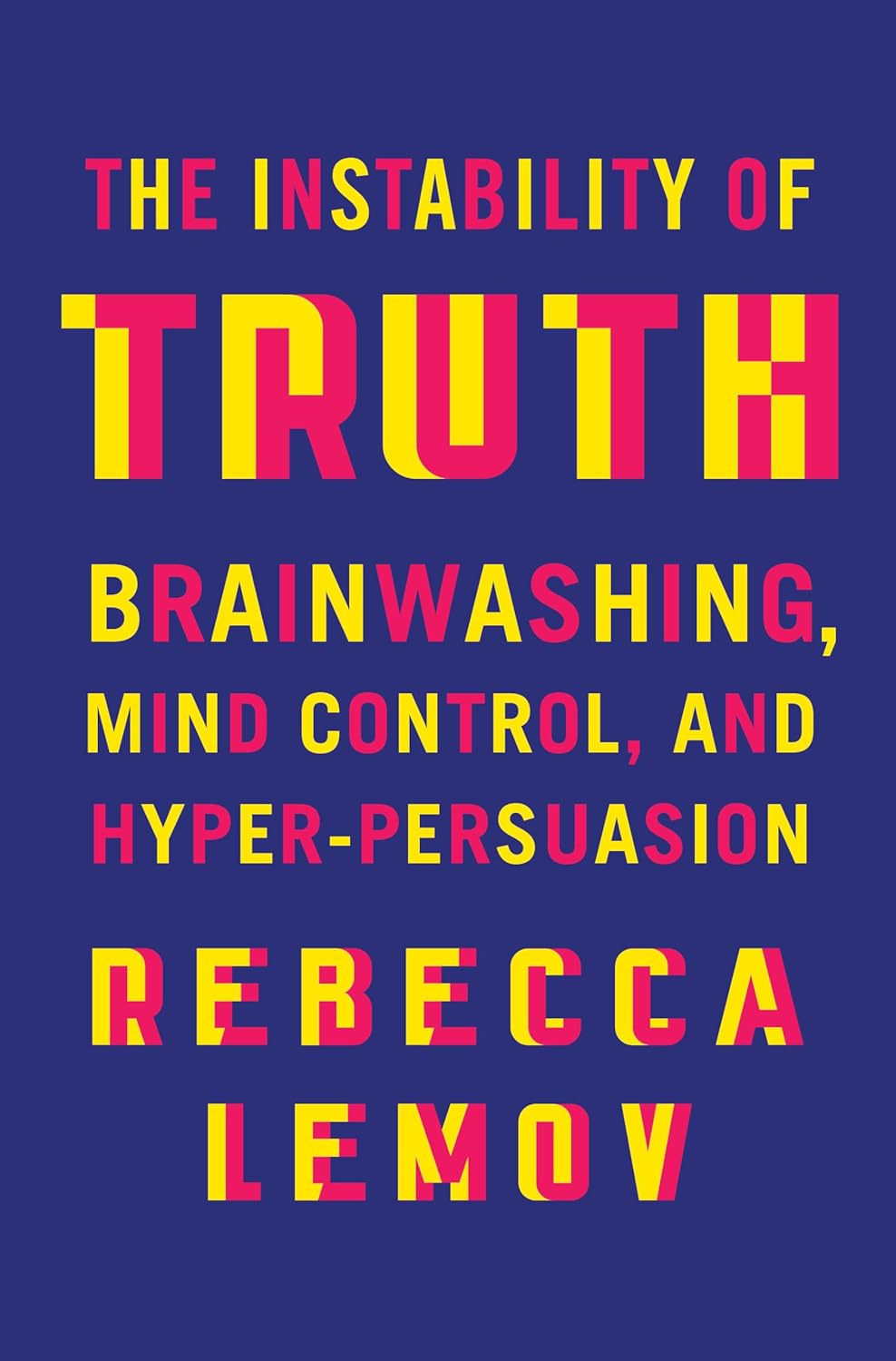
The Instability of Truth

Brainwashing, Mind Control, and Hyper-Persuasion
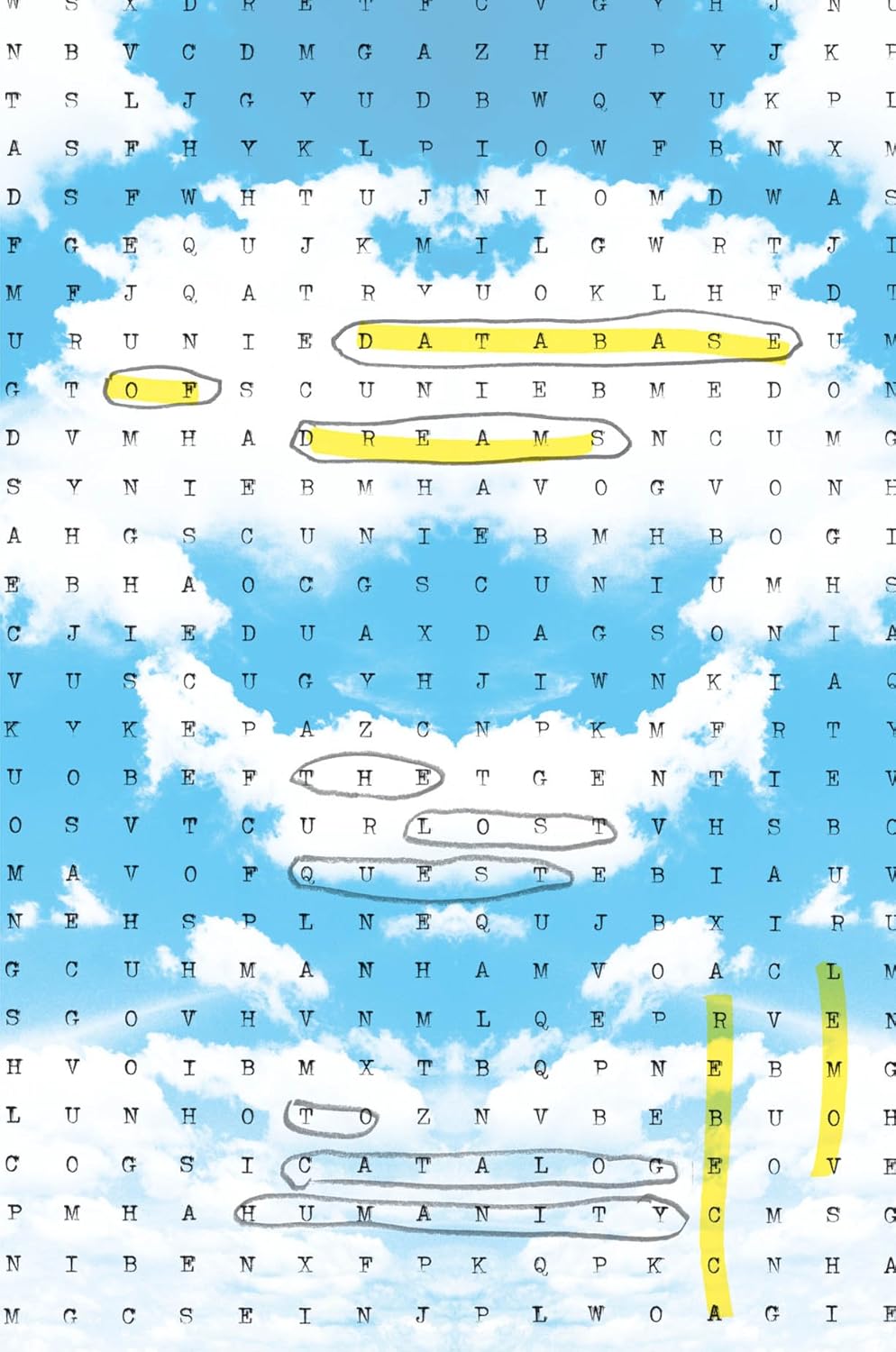
Database of Dreams

The Lost Quest to Catalog Humanity
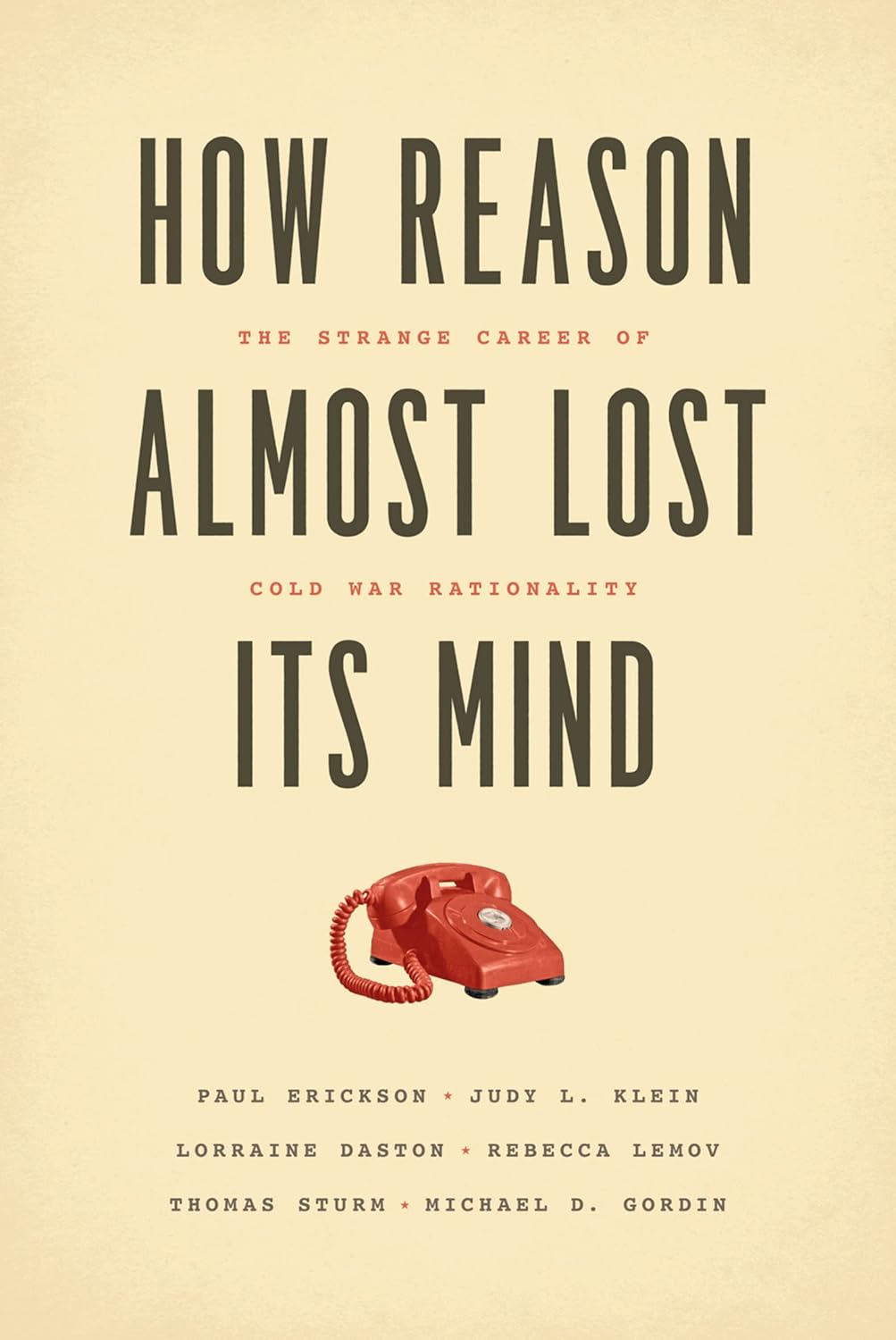
How Reason Almost Lost Its Mind

The Strange Career of Cold War Rationality (co-authored)
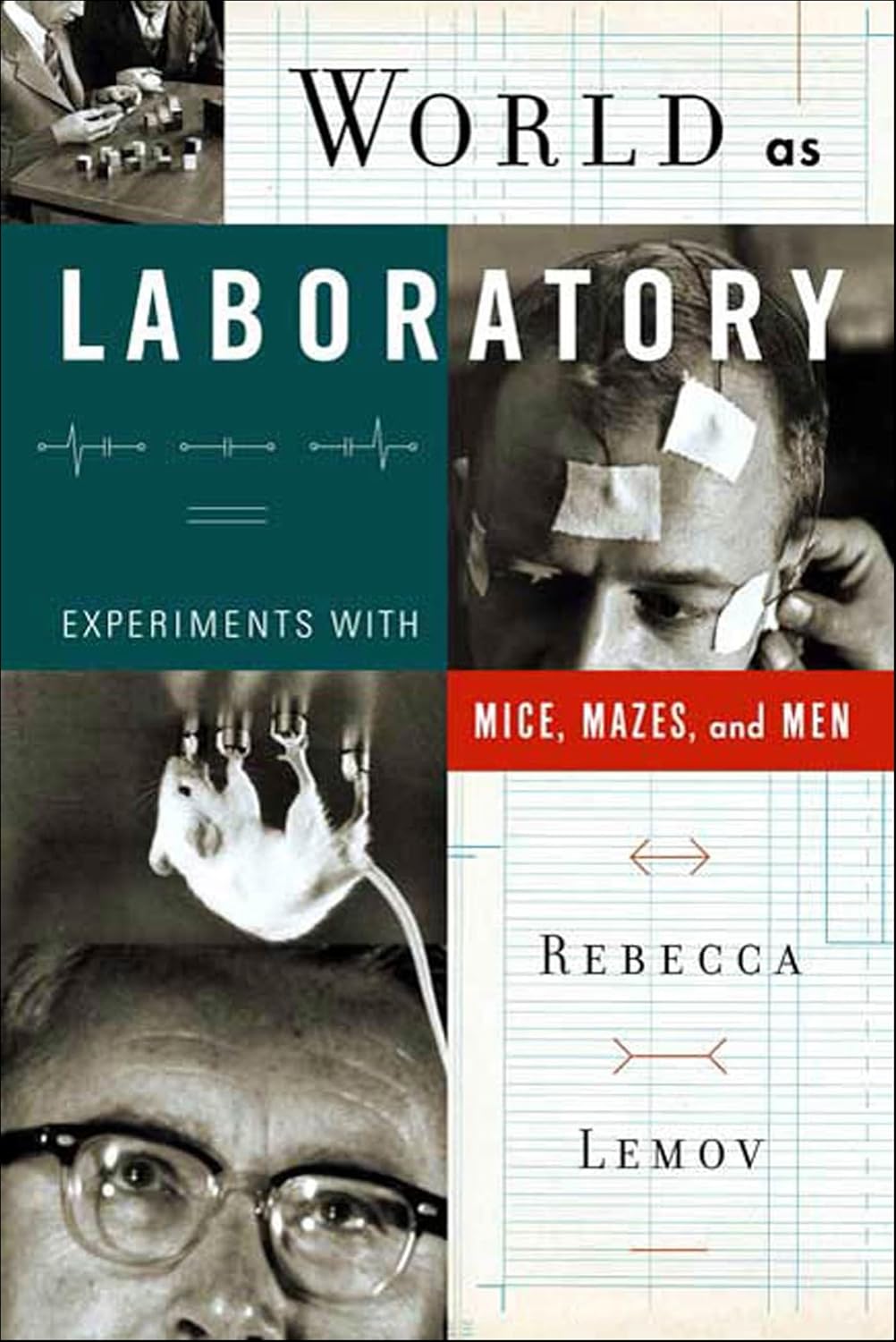
World as Laboratory

Experiments with Mice, Mazes, and Men

Why I Keep Returning to These Questions

I write about influence and hidden systems because they shape the choices we all make every day. These books uncover histories that may seem distant — but they reach into our present in ways that are hard to ignore. By seeing where these forces come from, you can begin to recognize them in the world around you with more clarity — and respond with greater confidence in your own decisions.

I also bring these questions into my work with audiences and organizations — extending the conversation beyond the page. If they resonate with you, I invite you to learn more about my Speaking & Consulting.

“Across these different stories, I keep returning to the same questions — how coercive persuasion works, how technology changes us, and how we can see hidden systems more clearly.”

— Rebecca Lemov

Why It Matters to Readers

I write to spark connection and insight — and I’m grateful for the thoughtful words people have shared in return. Here are a few reflections from readers, listeners, and audiences.

Much of published history is a herd-path through the quotidian with occasional but brief excursion into something less familiar. Rebeca Lemov is an explorer...
Read More
Errol Morris
Much of published history is a herd-path through the quotidian with occasional but brief excursion into something less familiar. Rebeca Lemov is an explorer and adventurer. Gone is the herd-path. Instead, we have a voyage into an unknown (at least to me) landscape: Douglas M. Kelley, Goering’s Rorschach tests, and a strange pair of cyanide-assisted suicieds; Dorothy Eggan and hOpi dreams; George and Louis Spindler and the ‘expressive autobiographical interview.’ As a collector of those who collect dreams. Lemov has created a dream-collection of her own. An amazing and unique book—a book that in many ways redefines how we think about history.”—Errol Morris, Academy Award winning director
Errol Morris
An idealised picture of procedure in the natural sciences describes them as optimally objective and empirical, because such knowledge is based on rigorous testing of ...
Read More
AC Grayling
An idealised picture of procedure in the natural sciences describes them as optimally objective and empirical, because such knowledge is based on rigorous testing of hypotheses by means of repeatable experiments, using quantitative techniques of investigation and confirmation. And, indeed, most scientific progress has been the result of these disciplined methods, even if the originating inspiration for some of the greatest scientific advances was a matter of individual serendipity, guesswork, dreams, or luck. Read the full article, Laboratory life, on The Lancet
AC Grayling
In the summer of 1953, with a peace armistice signed, North Korea released its American prisoners of war. As the men were ferried back to the ...
Read More
David Brooks
In the summer of 1953, with a peace armistice signed, North Korea released its American prisoners of war. As the men were ferried back to the States, the attending American psychiatrists began to notice strange behavior. Most of the former P.O.W.'s seemed unenthusiastic to be returning home. Dazed and dull-eyed, they spoke in flat monotones and showed little emotion of any sort. Even when their ship docked in San Francisco, and their mothers stood onshore with outstretched arms, the men stood on deck, cattlelike, and seemed apathetic about getting off. Read the full article, Control Freaks, on The New York Times
David Brooks
Lemov explores the behavioral sciences during the years 1900-60, after which much of the human experimentation previously conducted acquired an odious reputation; the author...
Read More
Gilbert Taylor
Lemov explores the behavioral sciences during the years 1900-60, after which much of the human experimentation previously conducted acquired an odious reputation; the author remarks she was predisposed to dislike the psychologists, anthropologists, and sociologists who conducted it. Lemov improved her opinion of them, but her well-researched book nevertheless imparts a sense of uneasiness about human engineering. An outgrowth of stimulus-response experiments on animals, behavior modification of people became the goal of ambitious psychologists such as John Watson, coiner of the conditioned-response theory. Tellingly, he eventually went into advertising, while in his wake in the 1920s, foundations directed by behaviorist enthusiasts funded behavioral science centers at Yale and Harvard. With World War II, Lemov remarks, their denizens traded lab coats for uniforms, applying behavioral theories to occupied areas. A balanced account of the behaviorists' crusade, Lemov's history provides crucial backstory to contemporary practices in psychology and mass media. Copyright © American Library Association. All rights reserved
Gilbert Taylor
Lemov, a historian and anthropologist, addresses nearly a century of study into "human engineering ," the idea that behavior can be modified through...
Read More
Publishers Weekly
Lemov, a historian and anthropologist, addresses nearly a century of study into "human engineering," the idea that behavior can be modified through manipulation of the surrounding environment. The social implications of such research are important, but equally worth pondering, she suggests, is what it tells us about "the impulse for scientific experimentation" and how far scientists will go to indulge it. Some of her most intriguing passages deal with individual researchers like fear specialist O. Hobart Mowrer and sociologist John Dollard and how their theories—their career paths, even—were shaped by their emotional conditions. But Lemov balances this personal approach with close consideration of the major institutions involved, tracking the effect of grants handed out by the Rockefeller Foundation and digging into the vast archives of Yale's anthropological database (all the more remarkable for being entirely on paper). She also reports on the government's interest in the field, including the CIA's encouragement of research designed both to combat and refine psychological torture. Lemov's final charge, that "many people continue to suffer from the use of these techniques" as deployed by consumer surveys and political polls, needs substantiation, but her historical argument is both eye-opening and persuasive. (Dec.) Copyright © Reed Business Information, a division of Reed Elsevier Inc. All rights reserved.
Publishers Weekly
The authors do an excellent job of probing debates about the meaning, possibilities, and limits of rationality between the 1940s and the 1970s. . . . This masterly ...
Read More
Journal of American History
The authors do an excellent job of probing debates about the meaning, possibilities, and limits of rationality between the 1940s and the 1970s. . . . This masterly book makes a crucial contribution to understanding of Cold War thought, opens many new avenues for further research, and raises important questions about the durability of Cold War thinking in contemporary American social science.
Journal of American History
The authors of How Reason Almost Lost Its Mind have made a particularly insightful contribution by showing how 'rationality' has a time and a place; ...
Read More
Jeroen van Dongen
The authors of How Reason Almost Lost Its Mind have made a particularly insightful contribution by showing how 'rationality' has a time and a place; by laying bare its historical contingency, they have taken 'rationality' off its methodological pedestal. . . . In this sense, this kind of scholarship empowers us as humans when we are confronted with the institutional authority of the social sciences.
Jeroen van Dongen
A dream team of historians of science and technology.
Nick Cullather
A dream team of historians of science and technology.
Nick Cullather
In the wake of World War II, a generation of self-proclaimed ‘action intellectuals’ fought to save the world from nuclear Armageddon. They nearly...
Read More
Fred Turner
In the wake of World War II, a generation of self-proclaimed ‘action intellectuals’ fought to save the world from nuclear Armageddon. They nearly destroyed it. This extraordinary book explains how and why a generation of American social scientists reconceived human reason as algorithmic rationality—and how, when they did, they delivered us into a world that remains anything but rational. If you’ve ever wondered where Dr. Strangelove was born, you need look no further.
Fred Turner
Traversing territory from Micronesia to Berlin, from Kant to Kantorovich to Schelling, from psychology to economics, How Reason Almost Lost Its Mind...
Read More
David C. Engerman
Traversing territory from Micronesia to Berlin, from Kant to Kantorovich to Schelling, from psychology to economics, How Reason Almost Lost Its Mind offers novel insights about a whole way of thinking. Moving beyond discipline-by-discipline studies, this all-star team of scholars sets the standard for new histories of American intellectual life and the vexed question of ‘Cold War thought.’
David C. Engerman

Where to Find My Books

My books are available through major booksellers — online and in stores. You can find them on Amazon, Bookshop, and Barnes & Noble, or ask for them at your local bookstore or library.

Beyond the Books

Writing is one way I explore hidden systems of influence — another is through keynotes, consulting, and conversations with audiences. If these questions resonate with you, I invite you to explore how I share them through my speaking and consulting work.

Stay Connected

I share more reflections, untold stories, and updates in my monthly newsletter. If these ideas resonate with you, I invite you to stay connected through my mailing list.

Rebecca Lemov