Database of Dreams
The Lost Quest to Catalog Humanity
The Making of a Total Archive
Based on lost archives and forgotten experiments, Database of Dreams uncovers the strange Cold War quest to create a “catalog of humanity.” What began as a utopian dream to collect and classify every aspect of human life became something darker — an early blueprint for the databases, algorithms, and surveillance systems that now define the digital age.
We were being turned into data long before we carried smartphones in our pockets.
— Rebecca Lemov
—
Overview—
Identifying Humanity’s Deepest Wishes
When I began digging into the story behind Database of Dreams, I stumbled onto a forgotten project — an attempt to create a catalog of people’s deepest wishes. It was part scientific ambition, part futuristic dream, and part control experiment.
This book follows that strange quest, from Cold War field sites to the rise of modern data systems. Along the way, it reveals how efforts to record and categorize human lives and dreams changed not just science, but how we think about our privacy, dreams, memory, and even freedom.
—
Why This Book Matters—
When Data Becomes Destiny
We live in a world where our choices, movements, and even emotions are tracked and stored. But this didn’t start with smartphones. The dream — and danger — of reducing human life to data points has a much longer history.
My goal in this book is to show where that history began and why it matters now. Once we see how the drive to build a catalog of humanity’s innermost thoughts became a reality, we can better understand the systems shaping our lives today — and begin to ask what kind of future we want.
—
Key Themes—
Following the Quest to Build the Ultimate Catalog
In this book, I follow the Cold War dream of creating a “total archive” — a catalog meant to capture every aspect of human life, from dreams to stories to innermost thoughts. I’ve always been fascinated by how far people will go in the pursuit of knowledge, and how easily those pursuits can turn into darker projects.
Along the way, I explore themes like:
- Forgotten experiments to reduce human beings to data points.
- What it means to be human in an age of rapid technological change.
- The scientists and dreamers who believed the subjective could be identified and cataloged to unlock human potential.
- How utopian ideals collided with the realities of surveillance and secrecy.
- The echoes of these projects in the databases and algorithms that shape our digital lives today.
What interests me most is how these early visions still live with us. We’ve inherited their promise and their dangers every time our personal data is collected, stored, and used to define who we are.
So let me tell you who I had in mind as I wrote.
—
Who This Book is For—
For Those Wondering How We Became Data
I wrote this book for readers who sense that records are never just neutral. They’re stories, choices, and even tools of power. Long before the digital age, people tried to capture humanity in catalogs and files. If you’ve ever wondered how we became data — or what’s being done with it — this book is for you.
It’s also meant for:
- Professionals — researchers, technologists, educators, and anyone working where data and ethics intersect.
- Curious readers — people who want to understand how Cold War experiments shaped the digital systems we live with today.
- Those concerned with privacy — readers who want perspective on how we got here, and tools to think critically about where we’re headed.
This book isn’t meant to glorify or dismiss these catalogs. It’s an invitation to look closely at the dream of recording humanity’s deepest wishes — and what that dream still means today.
—
Editorial Reviews—
Praise for Database of Dreams

—
About the Author—
Meet Rebecca Lemov
Rebecca Lemov is a historian of science at Harvard University whose work explores the hidden history of data, technology, and the behavioral sciences. She has also been a visiting scholar at the Max Planck Institute for the History of Science.
She is the author of four books, including World as Laboratory, Database of Dreams, How Reason Almost Lost Its Mind (co-authored), and The Instability of Truth. Her writing has appeared in national and international outlets, and she speaks widely on the past, present, and future of truth.
Rebecca combines deep archival research with a commitment to making complex ideas accessible. Whether writing, teaching, or speaking, she invites audiences to look beneath the surface and question the stories that shape their lives.
—
Explore More—
Other Books I’ve Written
Each of my books takes a different path into a similar set of questions — how our perception of truth shifts, how people are influenced, and how we try to make sense of it all. If this book sparked your curiosity, you might find something in the others, too.
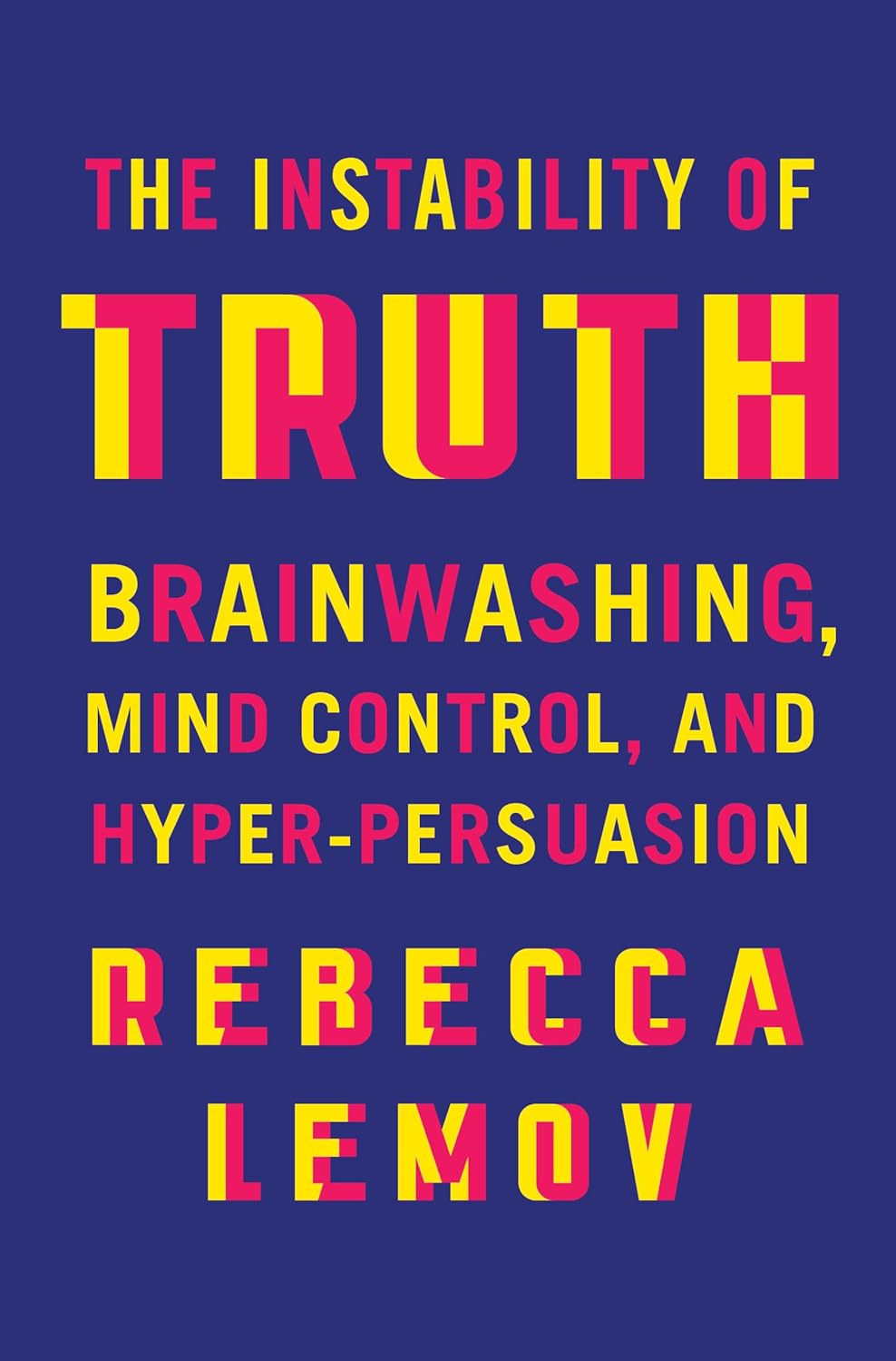
The Instability of Truth
Brainwashing, Mind Control, and Hyper-Persuasion
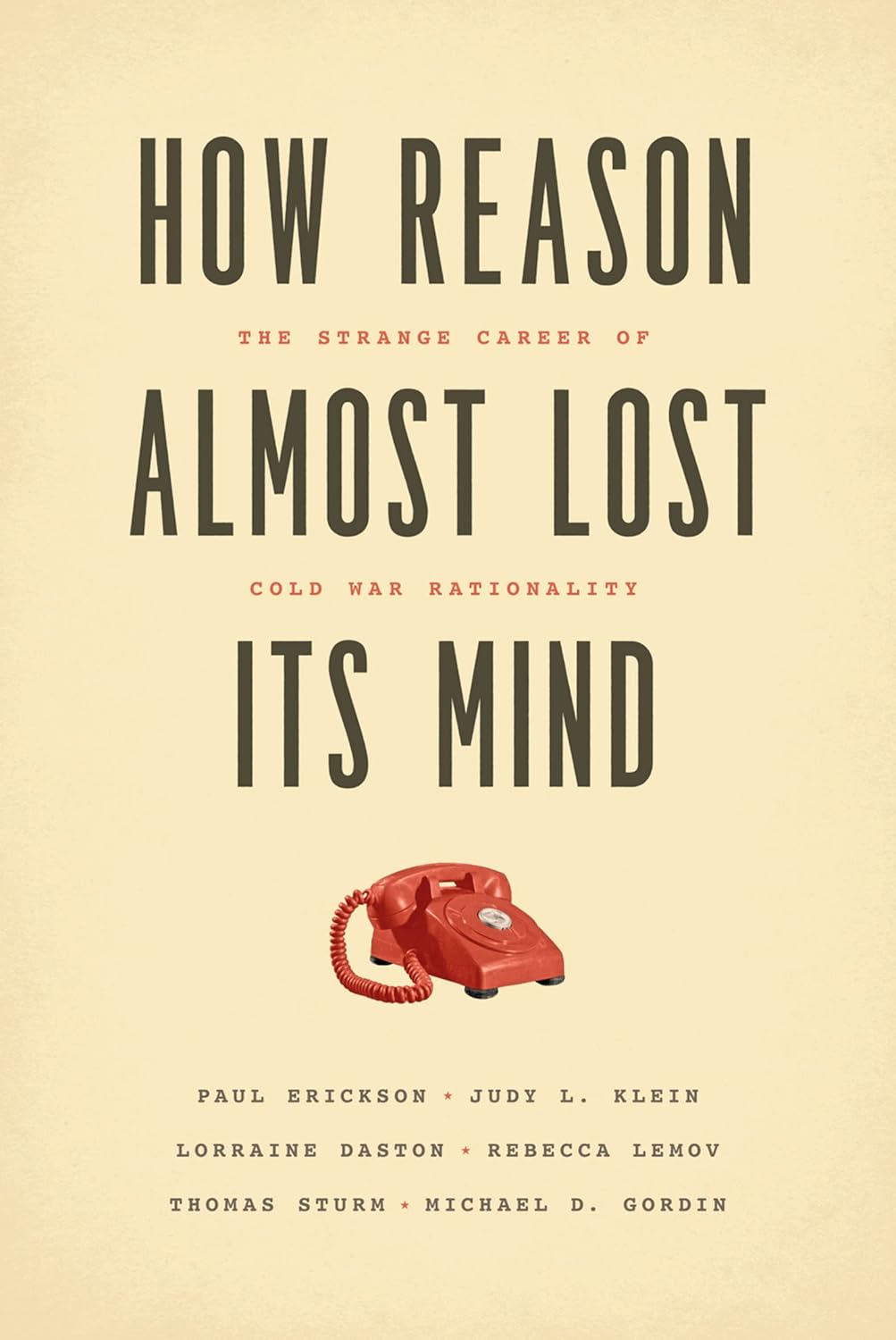
How Reason Almost Lost Its Mind
The Strange Career of Cold War Rationality (co-authored)
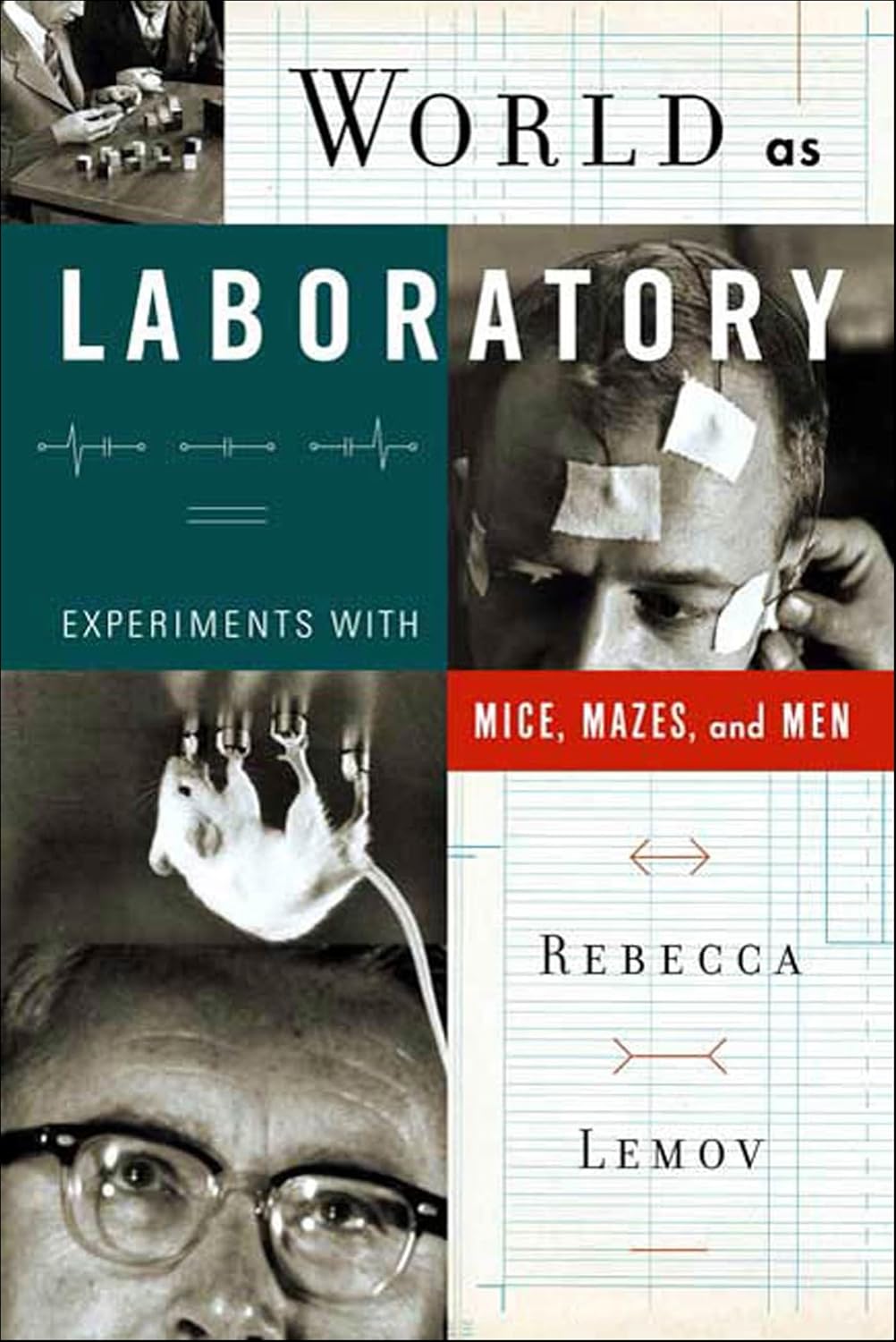
World as Laboratory
Experiments with Mice, Mazes, and Men