
How Reason Almost Lost Its Mind

The Strange Career of Cold War Rationality

Home » Books » How Reason Almost Lost Its Mind

How Rationality Was Reengineered

Co-authored with Paul Erickson, Judy L. Klein, Lorraine Daston, Thomas Sturm, and Michael D. Gordin, How Reason Almost Lost Its Mind explores how the Cold War reshaped the very idea of rationality. What counted as “reason” became a tool for science, policy, and even survival in a world defined by nuclear threat.

In the shadow of the bomb, rationality itself had to be reinvented.

— Rebecca Lemov

Overview

The Cold War’s New Definition of Reason

When I worked on this book with my co-authors, I discovered how something as basic as “reason” can be redefined by history. During the Cold War, rationality was no longer just a human virtue. It became a strategy — a way to calculate, predict, and survive in a time of unprecedented danger.

This book traces how rationality was recast in the language of computers, game theory, child psychology, and nuclear strategy. It shows how those shifts transformed science, politics, and the way we still think about reason today.

Why This Book Matters

When Thinking Became Survival

This book asks what happens when thinking itself is pressed into service as a weapon. Understanding that story helps us see how today’s definitions of logic, efficiency, and “rational choice” grew out of Cold War fears — and why they still shape debates about policy, science, and even daily life.

Key Themes

When Rationality Was Redefined

In this book, my co-authors and I explore how reason was retooled during the Cold War. I’ve always been drawn to the question of how big ideas shift when they’re put under pressure — and few ideas have been under more pressure than rationality itself.

Along the way, we explore themes like:

  • Game theory and nuclear strategy as models for survival.
  • Computers and cybernetics as new metaphors for the mind.
  • The role of science in defining what counts as “reasonable.”
  • The lasting legacy of Cold War rationality in today’s politics, economics, and culture.

What strikes me most is how fragile the concept of reason turned out to be. It was stretched, bent, and recast to fit the anxieties of the nuclear age — and those changes still echo in how we think today.

So let me tell you who we had in mind as we wrote.

Who This Book is For

For Those Who Wonder How We Define Reason

I wrote this book with my co-authors for readers who want to see how even “reason” itself can shift. During the Cold War, rationality was recast in the language of survival and strategy and as something that could be calculated. If you’ve ever wondered what we really mean by reason — or how its meaning has changed — this book is for you.

It’s also meant for:

  • Professionals — historians, political scientists, policy analysts, and anyone working where logic and decision-making guide high-stakes outcomes.
  • Curious readers — people who want a story that connects the Cold War to the way we think today.
  • Those reflecting on reason itself — readers who want to question what it really means to be “rational.”

This book isn’t meant to reduce the Cold War to theory. It’s an invitation to think more deeply about what we mean by reason — and how fragile even our most trusted ideas can be.

Editorial Reviews

Praise for How Reason Almost Lost Its Mind

The authors do an excellent job of probing debates about the meaning, possibilities, and limits of rationality between the 1940s and the 1970s. . . . This masterly ...
Read More
Journal of American History
The authors do an excellent job of probing debates about the meaning, possibilities, and limits of rationality between the 1940s and the 1970s. . . . This masterly book makes a crucial contribution to understanding of Cold War thought, opens many new avenues for further research, and raises important questions about the durability of Cold War thinking in contemporary American social science.
Journal of American History
The authors of How Reason Almost Lost Its Mind have made a particularly insightful contribution by showing how 'rationality' has a time and a place; ...
Read More
Jeroen van Dongen
Metascience
The authors of How Reason Almost Lost Its Mind have made a particularly insightful contribution by showing how 'rationality' has a time and a place; by laying bare its historical contingency, they have taken 'rationality' off its methodological pedestal. . . . In this sense, this kind of scholarship empowers us as humans when we are confronted with the institutional authority of the social sciences.
Jeroen van Dongen
Metascience
A dream team of historians of science and technology.
Nick Cullather
Indiana University Bloomington ― American Historical Review
A dream team of historians of science and technology.
Nick Cullather
Indiana University Bloomington ― American Historical Review
In the wake of World War II, a generation of self-proclaimed ‘action intellectuals’ fought to save the world from nuclear Armageddon. They nearly...
Read More
Fred Turner
Author of The Democratic Surround
In the wake of World War II, a generation of self-proclaimed ‘action intellectuals’ fought to save the world from nuclear Armageddon. They nearly destroyed it. This extraordinary book explains how and why a generation of American social scientists reconceived human reason as algorithmic rationality—and how, when they did, they delivered us into a world that remains anything but rational. If you’ve ever wondered where Dr. Strangelove was born, you need look no further.
Fred Turner
Author of The Democratic Surround
Traversing territory from Micronesia to Berlin, from Kant to Kantorovich to Schelling, from psychology to economics, How Reason Almost Lost Its Mind...
Read More
David C. Engerman
Brandeis University
Traversing territory from Micronesia to Berlin, from Kant to Kantorovich to Schelling, from psychology to economics, How Reason Almost Lost Its Mind offers novel insights about a whole way of thinking. Moving beyond discipline-by-discipline studies, this all-star team of scholars sets the standard for new histories of American intellectual life and the vexed question of ‘Cold War thought.’
David C. Engerman
Brandeis University
Broadly revelatory. . . . The authors show how dangerous our behavioral scientists (and by implication their human and social science kin) might have been, co-opted as they ...
Read More
Mary S. Morgan
London School of Economics ― Science
Broadly revelatory. . . . The authors show how dangerous our behavioral scientists (and by implication their human and social science kin) might have been, co-opted as they were into the military and political decision-making in crisis situations just as physicists were co-opted into the construction of the bomb.
Mary S. Morgan
London School of Economics ― Science
This is an important book, one that should be read not just by historians of science but by anyone interested in the unique intellectual...
Read More
Hunter Heyck
University of Oklahoma
This is an important book, one that should be read not just by historians of science but by anyone interested in the unique intellectual culture of Cold War America. In this context, reason was redefined, reduced, and simplified into a rule-governed thing—a seemingly universal technology for making choices in an uncertain world. This is a brilliant insight, and the authors carry its illumination into a range of fields, from game theory and operations research to studies of heuristics and biases in individuals and decision making in groups, from the lab and the ‘situation room’ to the wilds of Washington policy making.
Hunter Heyck
University of Oklahoma
Through six roughly chronological chapters, the authors demonstrate that this austere, antihumanistic concept of rationality underpinned the work of a far-flung and heterogeneous group of ...
Read More
Michael Rossi
University of Chicago ― Endeavour
Through six roughly chronological chapters, the authors demonstrate that this austere, antihumanistic concept of rationality underpinned the work of a far-flung and heterogeneous group of scholars pursing a truly dizzying variety of research programs. . . . How Reason Almost Lost Its Mind advances a provocative argument about a period of American social science that is now attracting increasing and well-justified attention. Historians of post war social science will certainly read this book with profit, as will scholars of the history of thought and, indeed, more generally of scientific practice in the United States
Michael Rossi
University of Chicago ― Endeavour
The inhuman assumptions of the postwar human sciences form the problematic for this fascinating book. If not quite a fons et origo, the Cold War ...
Read More
Theodore M. Porter
University of California, Los Angeles
The inhuman assumptions of the postwar human sciences form the problematic for this fascinating book. If not quite a fons et origo, the Cold War arms race appears here as the uniquely disturbing frame for a wide-ranging campaign to extirpate irrationality by implementing strict rules of human reasoning.
Theodore M. Porter
University of California, Los Angeles
Rebecca Lemov

About the Author

Meet Rebecca Lemov

Rebecca Lemov is a historian of science at Harvard University whose work explores the hidden history of data, technology, and the behavioral sciences. She has also been a visiting scholar at the Max Planck Institute for the History of Science.

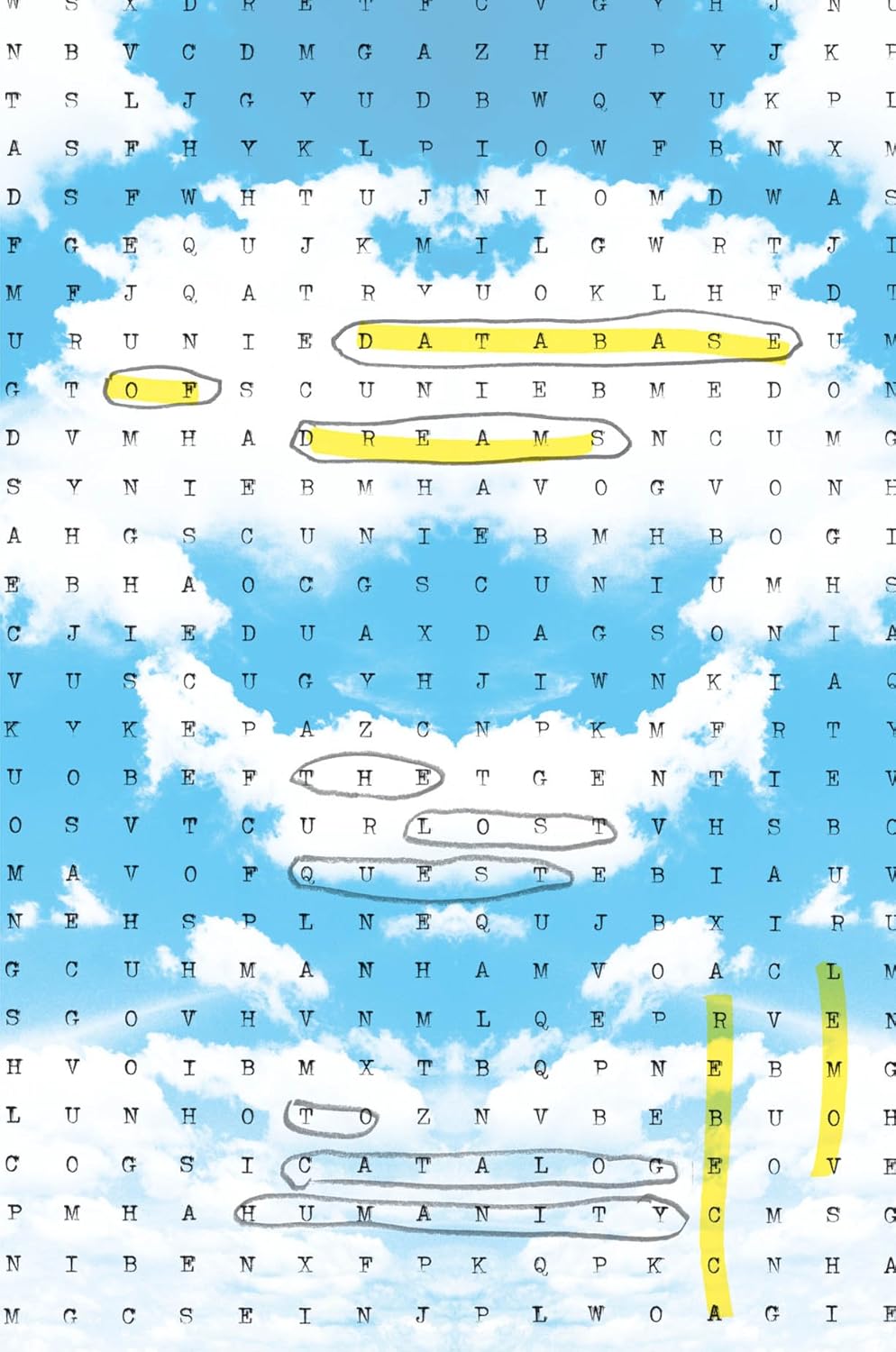
She is the author of four books, including World as Laboratory, Database of Dreams, How Reason Almost Lost Its Mind (co-authored), and The Instability of Truth. Her writing has appeared in national and international outlets, and she speaks widely on the past, present, and future of truth.

Rebecca combines deep archival research with a commitment to making complex ideas accessible. Whether writing, teaching, or speaking, she invites audiences to look beneath the surface and question the stories that shape their lives.

Explore More

Other Books I’ve Written

Each of my books takes a different path into a similar set of questions — how our perception of truth shifts, how people are influenced, and how we try to make sense of it all. If this book sparked your curiosity, you might find something in the others, too.
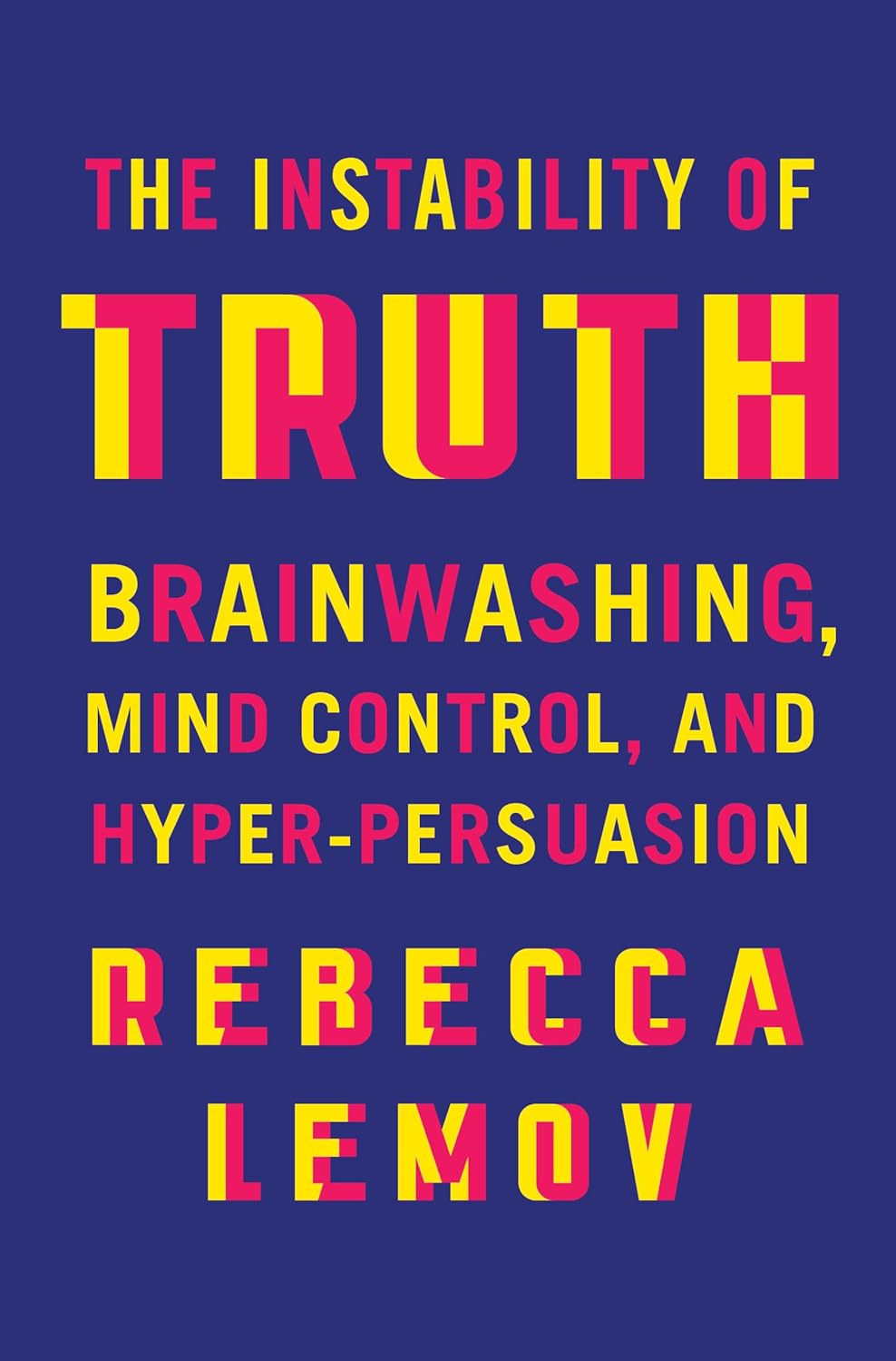
Book Cover: The Instability of Truth: Brainwashing, Mind Control, and Hyper-Persuasion
The Instability of Truth

Brainwashing, Mind Control, and Hyper-Persuasion

Database of Dreams

The Lost Quest to Catalog Humanity
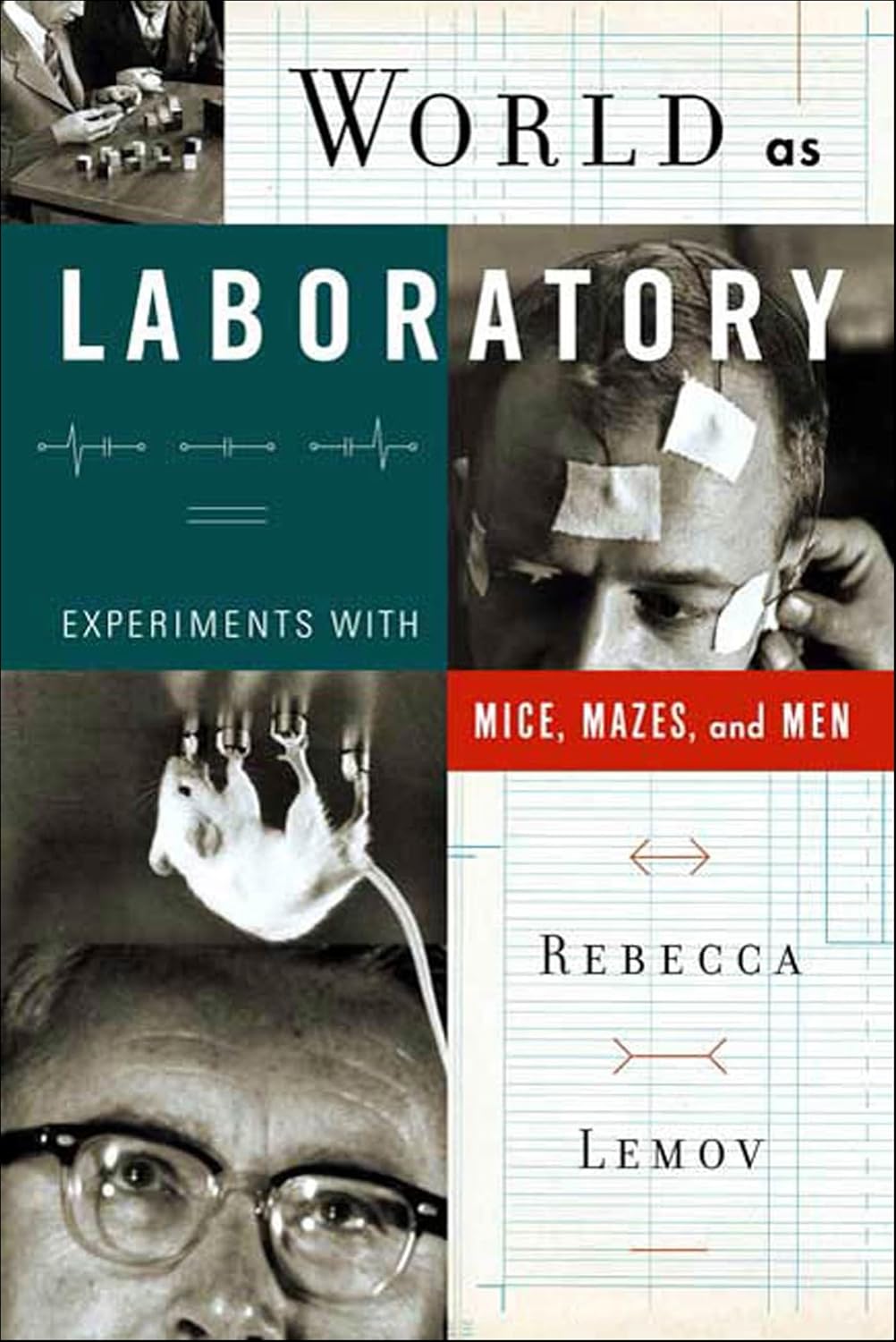
World as Laboratory

Experiments with Mice, Mazes, and Men
Rebecca Lemov