The Instability of Truth
Brainwashing, Mind Control, and Hyper-Persuasion
The Quiet Spread of Coercion
Drawing from rare archival materials, interviews, and the overlooked trauma history of Cold War POWs, The Instability of Truth traces how psychological coercion has evolved — from interrogation cells to algorithmic feeds. This book reveals how the idea of mind control has spread across the globe and penetrated courtrooms, secret labs, military schools, and today’s digital sites.
Anybody can be brainwashed — no one is safe. And that’s, in a way, a hopeful discovery.
— Rebecca Lemov
—
Overview—
Looking Beneath the Surface
When I started researching this book, I didn’t set out to write about brainwashing alone. I wanted to trace how ideas about controlling the mind have traveled — from Cold War prison cells to hidden laboratories, from military schools to the digital feeds we scroll through today.
The Instability of Truth follows that journey. It uncovers overlooked histories, forgotten archives, and the personal stories of people caught in systems of coercion. Along the way, it shows how the concept of “mind control” has seeped into everyday life — shaping courtrooms, cultures, and even the way we talk about freedom.
—
Why This Book Matters—
Clarity in a Noisy World
We live in an age of constant persuasion — ads, algorithms, and voices competing for our attention. It’s easy to assume brainwashing is a relic of the past, but it isn’t. It’s here, hidden in plain sight.
My aim in this book is to show how influence works so we can recognize it, name it, and make clearer choices about what to believe. No one is immune — but knowing that gives us power.
—
Key Themes—
Tracing the Patterns of Influence
In this book I follow the strange journey of brainwashing—from Cold War prison cells to today’s algorithm-driven feeds and AI companions. I’ve always been drawn to the question of how ideas spread and why some take hold so powerfully.
Along the way, I explore themes like:
- Cults, scams, and social movements — not as distant curiosities but as patterns that repeat in daily life.
- Trauma and memory — how our past shapes our vulnerability to persuasion.
- Digital hyper-persuasion — the subtle, constant influence of technology and social media.
- Recognizing manipulation — and how seeing these patterns can help us resist.
My goal is to show that brainwashing is not a relic of the past or a problem that happens to “other people.” It’s part of the air we breathe. Once we can see it more clearly, we’re in a better place to question it and decide for ourselves what to believe.
So let me tell you who I had in mind as I wrote.
—
Who This Book is For—
For Those Trying to Make Sense of the Noise
I wrote this book for people who feel overwhelmed by the noise of modern life and want tools to make sense of it. If you’ve ever wondered how much influence technology, media, or even other people have over your choices, this book is for you.
It’s also meant for:
- Professionals — therapists, teachers, journalists, and others who work where truth and trust are on the line.
- Curious readers — people who want depth without elitism, and storytelling without sensationalism.
- Anyone searching for clarity — those who want to feel less manipulated, more grounded, and more confident in their own perspective.
This book isn’t meant to lecture or sensationalize. It’s an invitation to see patterns of influence more clearly and feel more confident about what to believe.
—
Editorial Reviews—
Praise for The Instability of Truth
A Rare Combination of Warmth, Insight, and Presence
Over the years, I have had the pleasure of watching R. speak...One of the Few Scholars Who Can Trace the Full History of Mind Control
I interviewed Rebecca for a documentary on the history of...
—
About the Author—
Meet Rebecca Lemov
Rebecca Lemov is a historian of science at Harvard University whose work explores the hidden history of data, technology, and the behavioral sciences. She has also been a visiting scholar at the Max Planck Institute for the History of Science.
She is the author of four books, including World as Laboratory, Database of Dreams, How Reason Almost Lost Its Mind (co-authored), and The Instability of Truth. Her writing has appeared in national and international outlets, and she speaks widely on the past, present, and future of truth.
Rebecca combines deep archival research with a commitment to making complex ideas accessible. Whether writing, teaching, or speaking, she invites audiences to look beneath the surface and question the stories that shape their lives.
—
Explore More—
Other Books I’ve Written
Each of my books takes a different path into a similar set of questions — how our perception of truth shifts, how people are influenced, and how we try to make sense of it all. If this book sparked your curiosity, you might find something in the others, too.
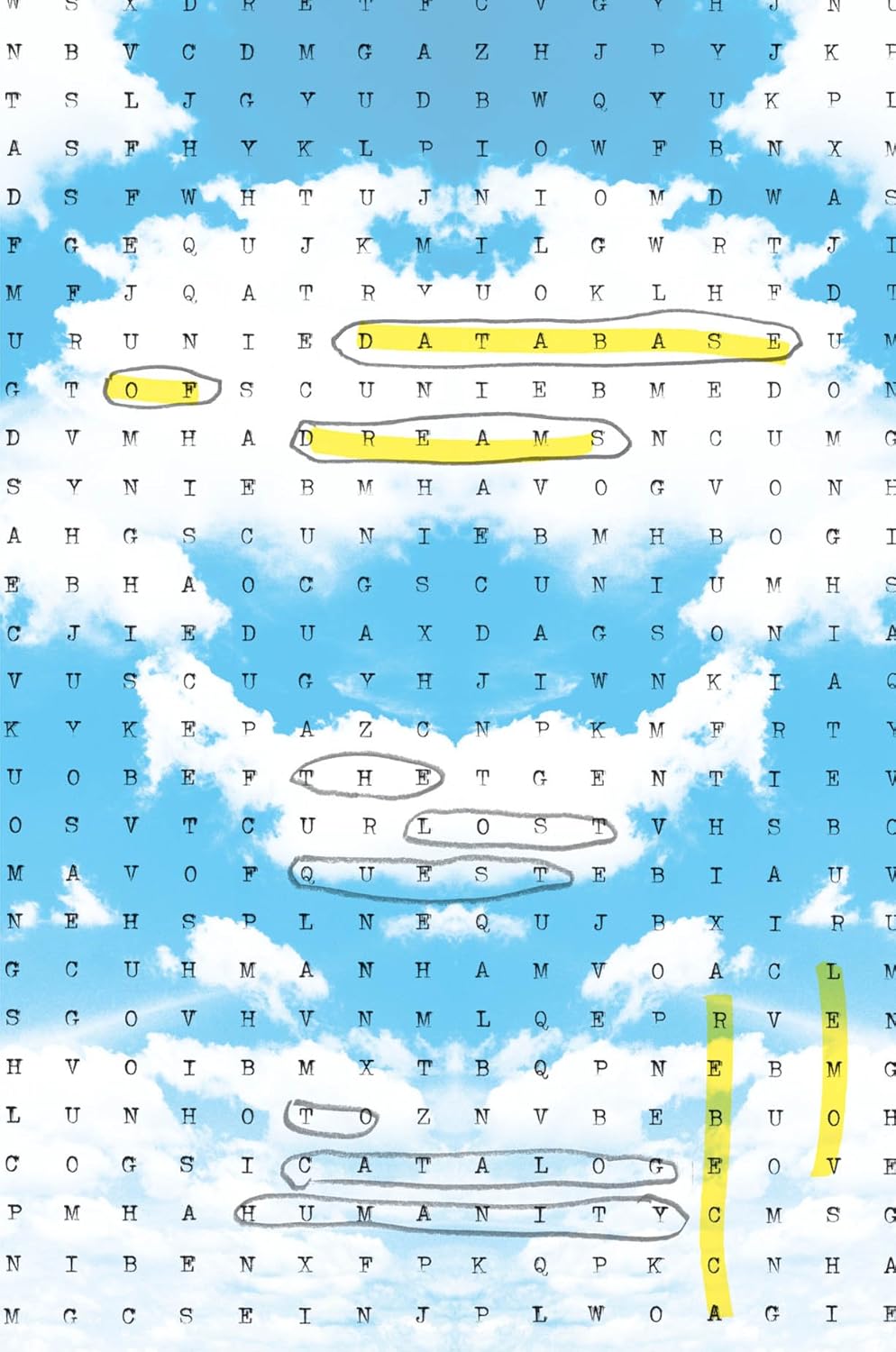
Database of Dreams
The Lost Quest to Catalog Humanity
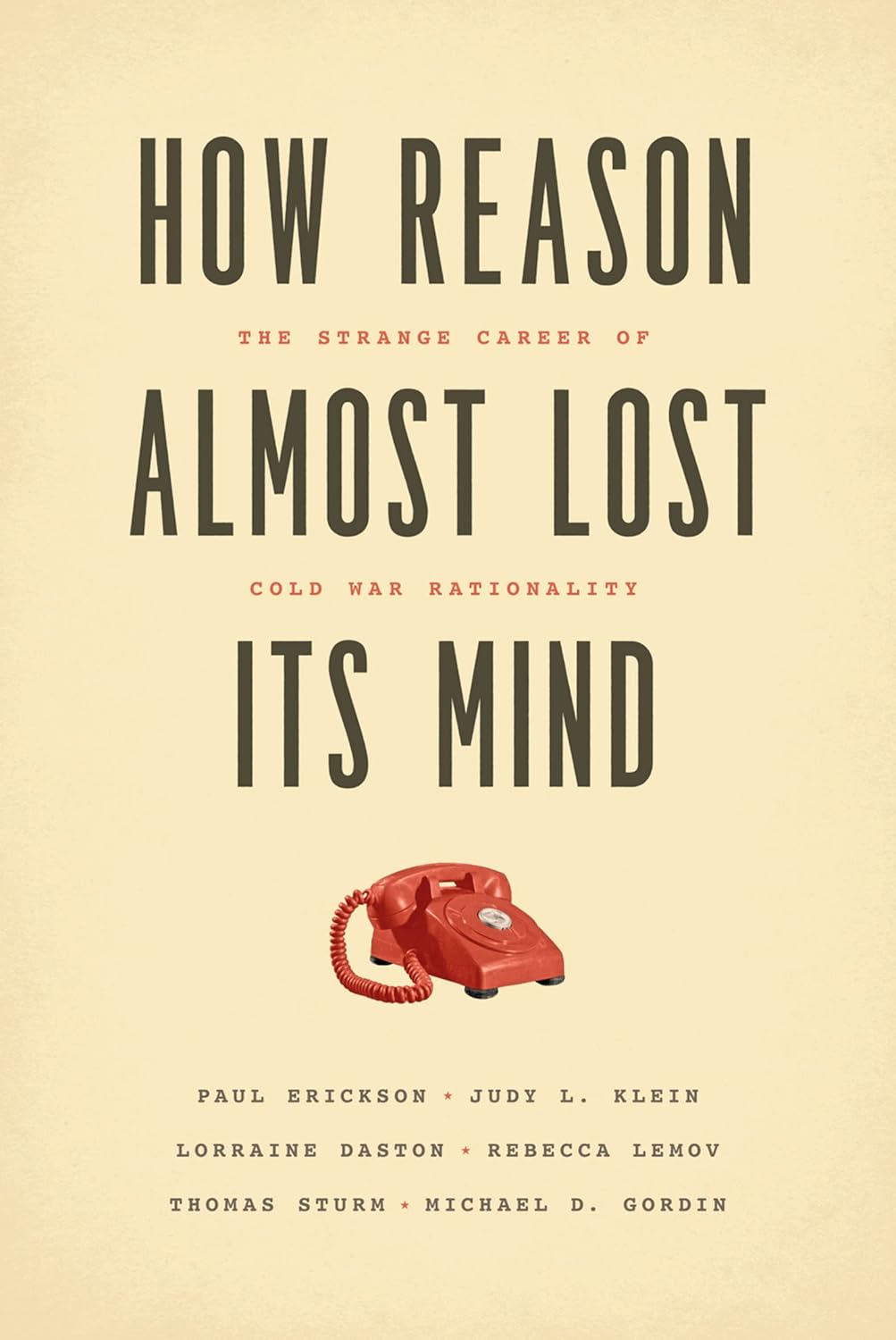
How Reason Almost Lost Its Mind
The Strange Career of Cold War Rationality (co-authored)
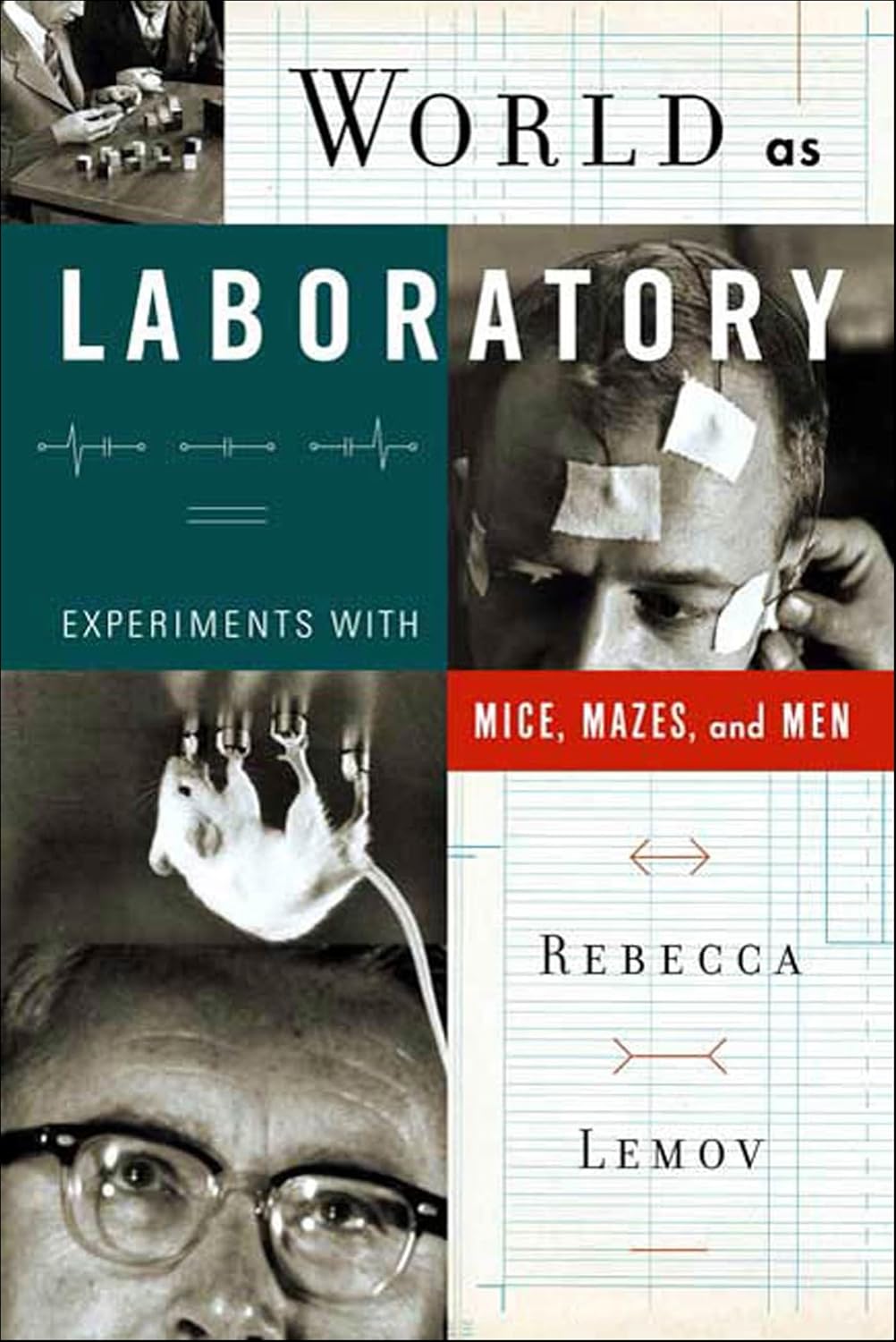
World as Laboratory
Experiments with Mice, Mazes, and Men