
World as Laboratory

Experiments with Mice, Mazes, and Men

Home » Books » World as Laboratory

From Controlled Tests to Everyday Life

World as Laboratory uncovers the hidden history of psychological experiments that treated the world itself as a testing ground. From Cold War labs to everyday settings, scientists used mice, mazes, and men to push the boundaries of human behavior studies — often blurring the line between research and real life.

Sometimes the biggest experiments aren’t in the lab — they’re in the world we live in.

— Rebecca Lemov

Overview

 Testing the Boundaries of Experiment

When I wrote World as Laboratory, I wanted to understand how science leapt out of the lab and into daily life. What I found was a hidden history of experiments that shaped not only psychology, but also how we think about freedom, control, and human possibility.

This book follows the trail from mouse mazes to military programs, from clinical studies to sweeping social experiments. It shows how the quest to understand behavior changed science — and how it changed the people caught up in the experiments themselves.

Why This Book Matters

When Life Became a Lab

We like to imagine experiments as controlled, contained, and confined to white coats and laboratories. But in the 20th century, experiments began spilling into classrooms, barracks, cities, and even orphanages. The line between science and life blurred.

This book asks what happens when experimentation becomes a way of governing, training, or even living. It shows how the tools of psychology and behavioral science reshaped society — and why we still live with the consequences today.

Key Themes

Living Inside the Experiment

In this book, I trace how experiments moved from cages and clinics into the wider world. I’ve always been struck by how quickly a scientific procedure can turn into a social practice — and how ordinary people become part of tests they never signed up for.

Along the way, I explore themes like:

  • Behaviorist science and the dream of controlling outcomes.
  • Military and Cold War programs that tested human adaptability.
  • Social experiments that treated classrooms, offices, and cities as labs.
  • The ethical questions raised when life itself becomes an experiment.

What fascinates me most is how these experiments did more than observe behavior. They helped create it. That makes me ask a simple question. Who needs to understand this history today?

Who This Book is For

For Anyone Wondering How Far Experiments Go

I wrote this book for readers who want to understand how experiments moved beyond cages and clinics. They reached into schools, workplaces, and even whole communities. This book shows how far they went — and why that history still matters today.

It’s also meant for:

  • Professionals — psychologists, educators, scientists, and anyone working where experimentation and ethics collide.
  • Curious readers — people interested in the hidden history of science and how it shaped our world.
  • Those questioning control — readers who want to think more deeply about how experiments influence freedom, choice, and society.

This book isn’t meant to accuse or alarm. It’s meant to reveal the sometimes hidden structures of experimentation — and invite us to think about what kind of “tests” we’re willing to live inside.

Editorial Reviews

Praise for Praise for World as Laboratory

An idealised picture of procedure in the natural sciences describes them as optimally objective and empirical, because such knowledge is based on rigorous testing of ...
Read More
AC Grayling
The Lancet
An idealised picture of procedure in the natural sciences describes them as optimally objective and empirical, because such knowledge is based on rigorous testing of hypotheses by means of repeatable experiments, using quantitative techniques of investigation and confirmation. And, indeed, most scientific progress has been the result of these disciplined methods, even if the originating inspiration for some of the greatest scientific advances was a matter of individual serendipity, guesswork, dreams, or luck. Read the full article, Laboratory life, on The Lancet
AC Grayling
The Lancet
In the summer of 1953, with a peace armistice signed, North Korea released its American prisoners of war. As the men were ferried back to the ...
Read More
David Brooks
The New York Times
In the summer of 1953, with a peace armistice signed, North Korea released its American prisoners of war. As the men were ferried back to the States, the attending American psychiatrists began to notice strange behavior. Most of the former P.O.W.'s seemed unenthusiastic to be returning home. Dazed and dull-eyed, they spoke in flat monotones and showed little emotion of any sort. Even when their ship docked in San Francisco, and their mothers stood onshore with outstretched arms, the men stood on deck, cattlelike, and seemed apathetic about getting off. Read the full article, Control Freaks, on The New York Times
David Brooks
The New York Times
Lemov explores the behavioral sciences during the years 1900-60, after which much of the human experimentation previously conducted acquired an odious reputation; the author...
Read More
Gilbert Taylor
Booklist
Lemov explores the behavioral sciences during the years 1900-60, after which much of the human experimentation previously conducted acquired an odious reputation; the author remarks she was predisposed to dislike the psychologists, anthropologists, and sociologists who conducted it. Lemov improved her opinion of them, but her well-researched book nevertheless imparts a sense of uneasiness about human engineering. An outgrowth of stimulus-response experiments on animals, behavior modification of people became the goal of ambitious psychologists such as John Watson, coiner of the conditioned-response theory. Tellingly, he eventually went into advertising, while in his wake in the 1920s, foundations directed by behaviorist enthusiasts funded behavioral science centers at Yale and Harvard. With World War II, Lemov remarks, their denizens traded lab coats for uniforms, applying behavioral theories to occupied areas. A balanced account of the behaviorists' crusade, Lemov's history provides crucial backstory to contemporary practices in psychology and mass media. Copyright © American Library Association. All rights reserved
Gilbert Taylor
Booklist
Lemov, a historian and anthropologist, addresses nearly a century of study into "human engineering ," the idea that behavior can be modified through...
Read More
Publishers Weekly
Lemov, a historian and anthropologist, addresses nearly a century of study into "human engineering," the idea that behavior can be modified through manipulation of the surrounding environment. The social implications of such research are important, but equally worth pondering, she suggests, is what it tells us about "the impulse for scientific experimentation" and how far scientists will go to indulge it. Some of her most intriguing passages deal with individual researchers like fear specialist O. Hobart Mowrer and sociologist John Dollard and how their theories—their career paths, even—were shaped by their emotional conditions. But Lemov balances this personal approach with close consideration of the major institutions involved, tracking the effect of grants handed out by the Rockefeller Foundation and digging into the vast archives of Yale's anthropological database (all the more remarkable for being entirely on paper). She also reports on the government's interest in the field, including the CIA's encouragement of research designed both to combat and refine psychological torture. Lemov's final charge, that "many people continue to suffer from the use of these techniques" as deployed by consumer surveys and political polls, needs substantiation, but her historical argument is both eye-opening and persuasive. (Dec.) Copyright © Reed Business Information, a division of Reed Elsevier Inc. All rights reserved.
Publishers Weekly
Rebecca Lemov

About the Author

Meet Rebecca Lemov

Rebecca Lemov is a historian of science at Harvard University whose work explores the hidden history of data, technology, and the behavioral sciences. She has also been a visiting scholar at the Max Planck Institute for the History of Science.

She is the author of four books, including World as Laboratory, Database of Dreams, How Reason Almost Lost Its Mind (co-authored), and The Instability of Truth. Her writing has appeared in national and international outlets, and she speaks widely on the past, present, and future of truth.

Rebecca combines deep archival research with a commitment to making complex ideas accessible. Whether writing, teaching, or speaking, she invites audiences to look beneath the surface and question the stories that shape their lives.

Explore More

Other Books I’ve Written

Each of my books takes a different path into a similar set of questions — how our perception of truth shifts, how people are influenced, and how we try to make sense of it all. If this book sparked your curiosity, you might find something in the others, too.
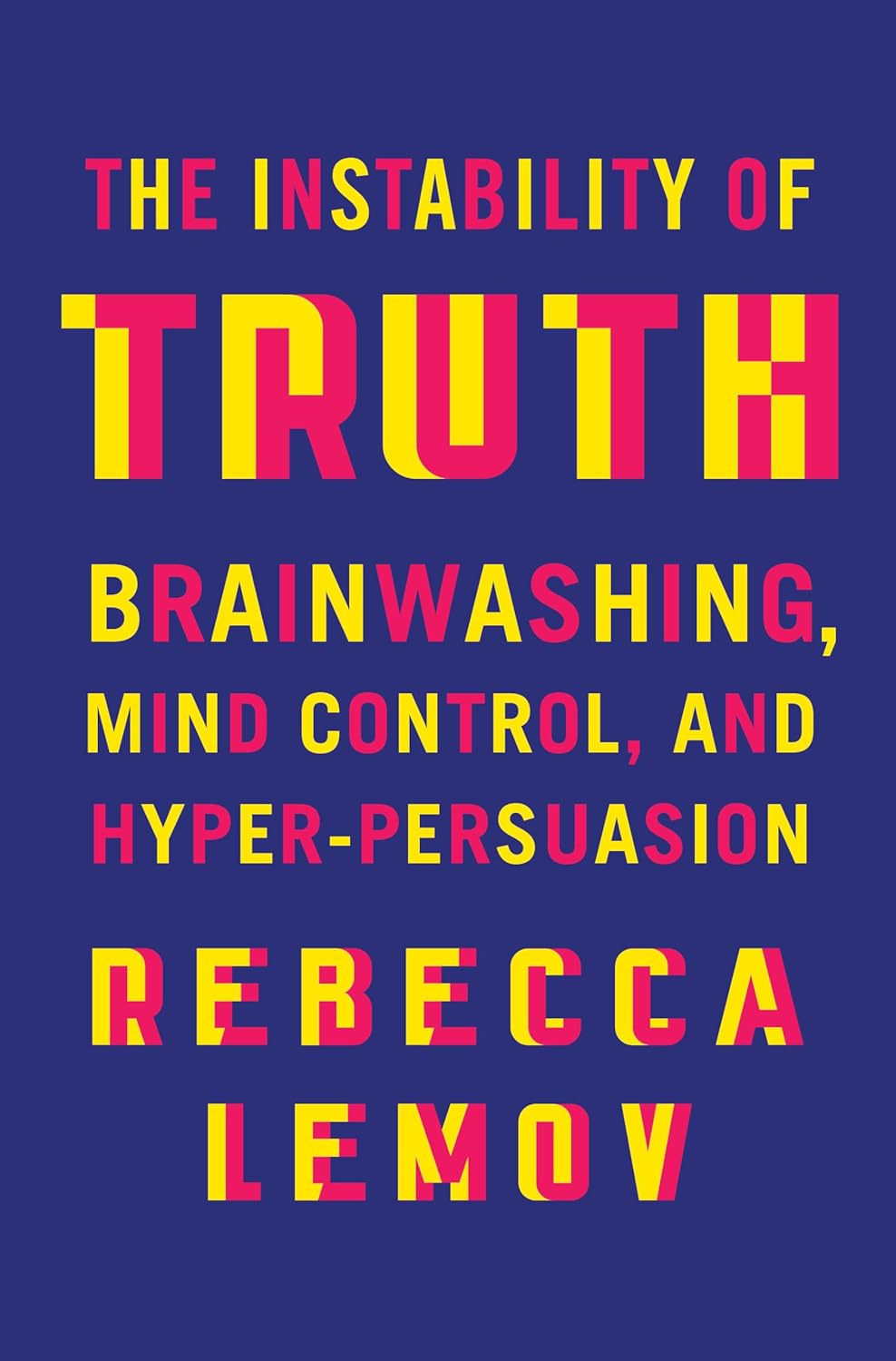
Book Cover: The Instability of Truth: Brainwashing, Mind Control, and Hyper-Persuasion
The Instability of Truth

Brainwashing, Mind Control, and Hyper-Persuasion

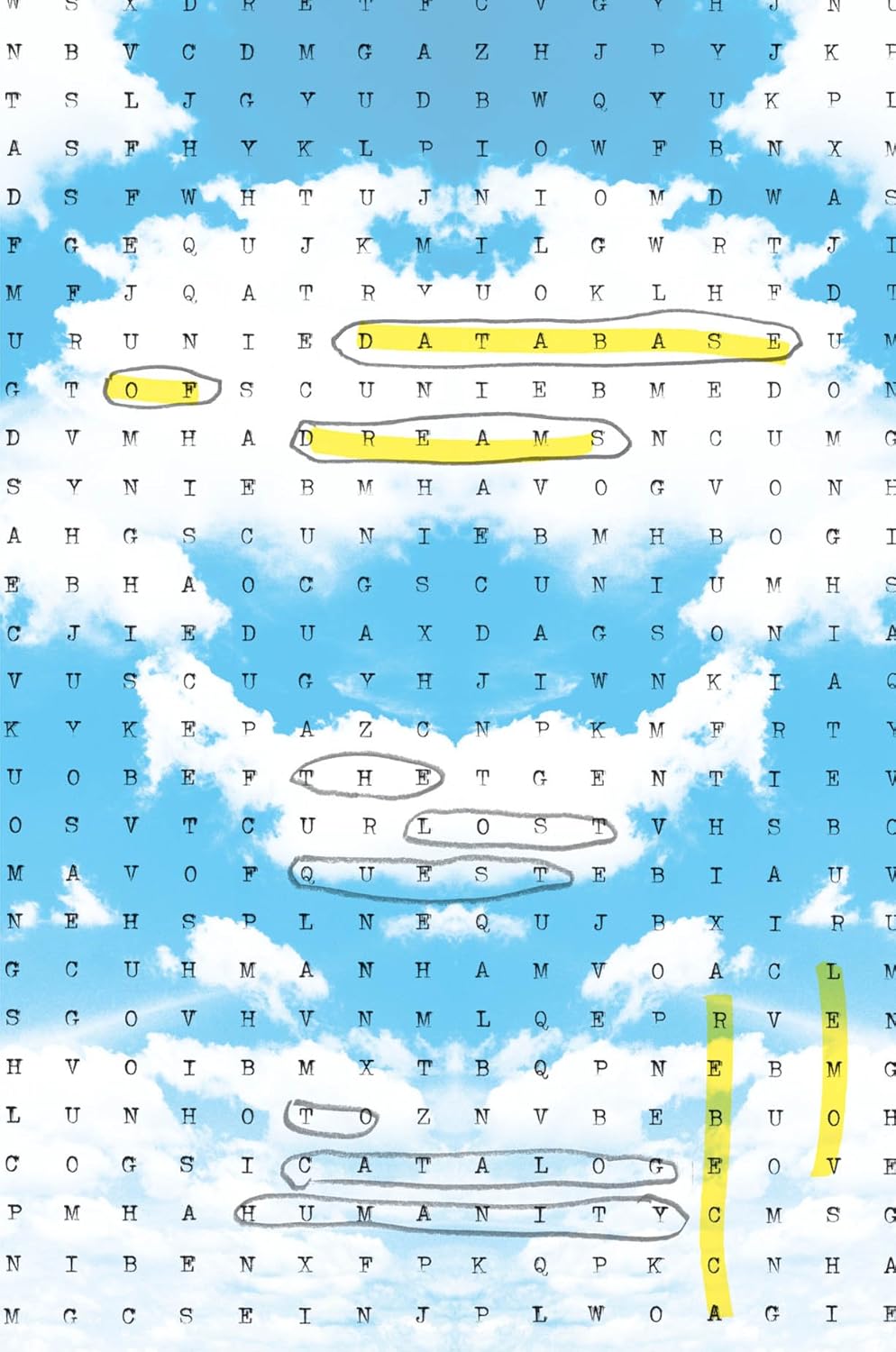
Database of Dreams

The Lost Quest to Catalog Humanity
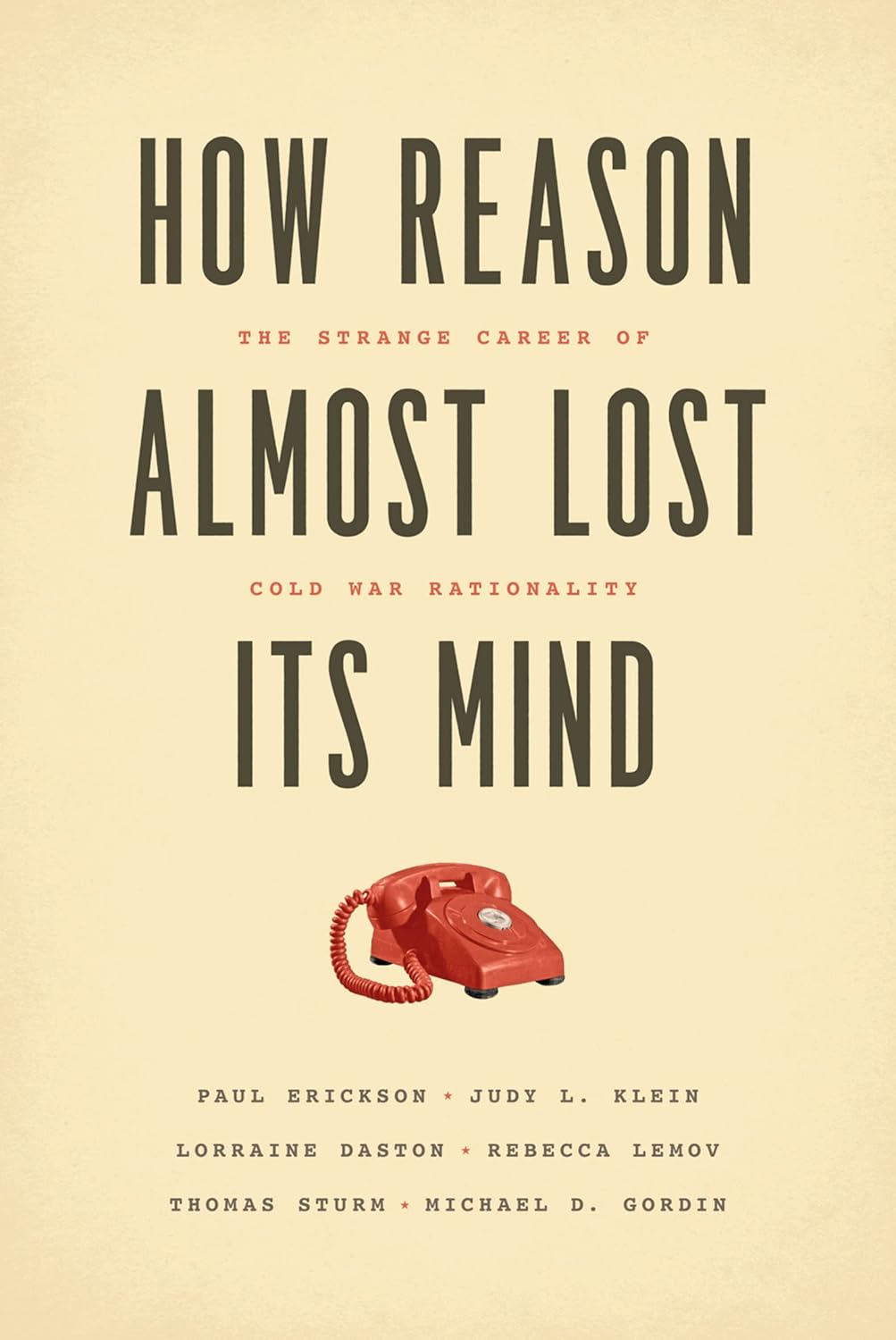
How Reason Almost Lost Its Mind

The Strange Career of Cold War Rationality (co-authored)

Rebecca Lemov